0%

China's inspection drone scene is heating up in 2026, with new capabilities and tougher competition on the horizon. Nowadays, inspection drones aren’t just about flying longer—they’re used for inspecting infrastructure, maintaining energy assets, surveying mines, supporting agriculture, and managing industrial equipment. But let’s be real: how much a drone is worth isn’t just about flight time. Things like camera quality, thermal precision, obstacle avoidance, data security, pilot training, and after-sales support play a huge role too.

Colin Snow, the guy behind Drone Analyst, once said, “The drone industry isn’t really about technology; it’s about service.” And honestly, that phrase really stuck with us when we looked at China’s top drone makers. We took a close look at companies like DJI, JOUAV, MMC, XAG, Autel Robotics, SwellPro, Yuneec, Skyfish China, EAVision, and Shenzhen Keweitai Tech. Instead of just cheerleading their features, we focused on how these drones perform in real-world inspection jobs.

You know how sometimes a product’s brochure makes things look perfect? Well, in the field, it’s often a different story. One drone might snap incredible photos above a solar farm but get knocked around in coastal winds. Another could haul a LiDAR payload with no trouble but lack good local support. Tiny details really matter—things like how long it takes to swap a battery, whether you can see your controller screen in bright sunlight, or how clear the defect reports are. No single ranking can capture all these nuances.

This guide compares different payload options, how long drones can stay in the air, automation features, inspection software, maintenance support, and overall ease of deployment. We also look at whether the companies give engineers and asset owners actual evidence of their drones’ performance—not just marketing hype. Just a heads-up: specs can change fast, so always double-check current info before buying. Sometimes, a smaller brand might do better at certain tasks than the bigger players—so it’s worth paying attention to that too.

China Top 10 Inspection Drones Suppliers in 2026

Inspection Drone Market Overview in China for 2026

China’s inspection drone market is moving from demonstration projects toward routine industrial operations in 2026. Demand is strongest in power lines, bridges, railways, ports, mines, and large construction sites. Buyers increasingly expect thermal imaging, high-resolution cameras, obstacle avoidance, and stable flight in difficult weather. Reliability matters more than impressive specifications.

Field evaluations show that the leading ten supplier groups usually compete through different strengths. Some focus on autonomous route planning, while others provide rugged aircraft, payload integration, or inspection software. Service capability also shapes purchasing decisions. Local maintenance teams can reduce downtime, especially when batteries, sensors, or communication links require quick attention. Clear training records and documented test procedures improve confidence.

The market still has practical gaps. A drone may perform well in an open yard but struggle near steel structures or heavy interference. Data accuracy can also decline when lighting changes suddenly. No ranking is perfect. Procurement teams should examine flight logs, repair response, operator training, and data-handling processes before signing contracts. A careful pilot project is often more valuable than a polished product demonstration. China’s 2026 market will reward suppliers that combine engineering depth with dependable field support, not merely low prices.

Key Criteria for Evaluating Chinese Inspection Drone Suppliers

When evaluating Chinese inspection drone suppliers in 2026, start with field performance, not brochure claims.

Ask for flight logs from bridges, towers, pipelines, or large roofs. Review footage captured in wind, low light, and narrow spaces. A reliable supplier should explain image resolution, flight endurance, obstacle sensing, and thermal accuracy in clear terms.

Request a live demonstration with your own inspection route. Check whether the drone holds position near metal structures. Small delays matter. Examine the control interface, emergency procedures, battery-swapping time, and landing behavior. Suppliers should provide calibration records, maintenance schedules, and traceable test reports. Verify relevant quality certificates independently. A polished certificate alone proves little.

After-sales capability often separates a practical supplier from a risky purchase. Confirm spare-parts availability, software update policies, repair response times, and operator training. Ask for a sample inspection report with defect locations, images, timestamps, and exportable data. Data protection procedures also deserve attention, especially when projects involve sensitive infrastructure. No checklist is perfect. Weather limits may be understated, and advertised endurance usually exceeds real working time. A cautious buyer should test those gaps before signing a long-term contract. Look for engineers who admit limitations and document corrective actions. Reliability grows through evidence, repeatable testing, and honest communication.

Top 10 Chinese Suppliers of Inspection Drones in 2026

China’s top 10 inspection drone suppliers in 2026 are competing through endurance, sensing accuracy, and dependable service. MarketsandMarkets’ 2024 Drone Inspection and Monitoring Market report projects strong double-digit growth through 2029, driven by energy, infrastructure, and industrial maintenance. China remains important because its manufacturing base supports rapid hardware updates and competitive component costs.

Our supplier assessment focuses on flight stability, thermal imaging, LiDAR integration, data security, and after-sales testing. Leading Chinese suppliers commonly offer 35–50 minutes of flight time, weather-resistant airframes, and centimeter-level positioning with suitable correction services. Their inspection packages can examine bridge joints, solar panels, pipelines, towers, and roofs. Grand View Research reported that the global commercial drone market reached about US$20 billion in 2023, with inspection applications among the fastest-growing uses. Practical capability matters more than impressive brochures.

Field trials still expose weaknesses. Wind reduces endurance. Dust affects sensors. Some suppliers publish laboratory accuracy, but provide limited field evidence. That deserves scrutiny. Drone Industry Insights’ 2024 market analysis also emphasizes service ecosystems, not only aircraft sales. Therefore, buyers should request sample reports, maintenance records, pilot training details, and clear replacement timelines. A strong supplier should explain data handling and demonstrate repeatable results under changing light, temperature, and terrain. Rankings can change quickly, because firmware, sensors, and support teams develop at different speeds.

Core Technologies Behind Modern Inspection Drones

Modern inspection drones rely on several technologies working together. Chinese suppliers now develop integrated systems for bridges, power lines, roofs, and industrial equipment.

During field trials, high-resolution cameras reveal cracked coatings and loose bolts. Thermal sensors detect unusual heat around electrical connections. LiDAR maps narrow structures and supports accurate distance measurement. Data fusion helps operators compare visible damage with temperature changes. This reduces guesswork, but it does not remove it.

Edge computing allows drones to process images during flight. AI models can flag corrosion, missing parts, and surface deformation. However, fog, glare, rain, and dirty lenses still create false alarms. A trained inspector must verify important findings. That human check remains essential. Flight controllers combine satellite positioning, inertial sensors, and obstacle detection. In confined spaces, positioning becomes less stable. Manufacturers therefore use visual navigation and local mapping. These systems improve control, yet occasional drift deserves attention.

Battery design directly affects inspection quality. A drone with limited endurance may rush the final section. High-density batteries, efficient motors, and route planning extend useful flight time. Secure communication links protect inspection data during transmission. Cloud platforms support maintenance records, annotated images, and repeatable comparisons. Reliability also depends on testing discipline, not only advanced components. Suppliers with documented calibration, pilot training, and controlled field trials offer stronger technical confidence. The technology is powerful, but real sites remain unpredictable.

Industry Applications and Performance Comparison

China Top 10 Inspection Drones Suppliers in 2026

Inspection drones are moving from pilot projects to routine asset management. The Global Wind Energy Council reported 117 GW of new wind capacity in 2023. This creates demand for safer blade, tower, and cable inspections. The IEA also recorded nearly 420 GW of new solar capacity in 2023. Solar operators now need frequent thermal checks across large, remote sites. Chinese suppliers compete through flight endurance, obstacle avoidance, thermal imaging, and automated reporting. In field tests, endurance often matters more than peak camera resolution. A drone that lands early creates incomplete evidence.

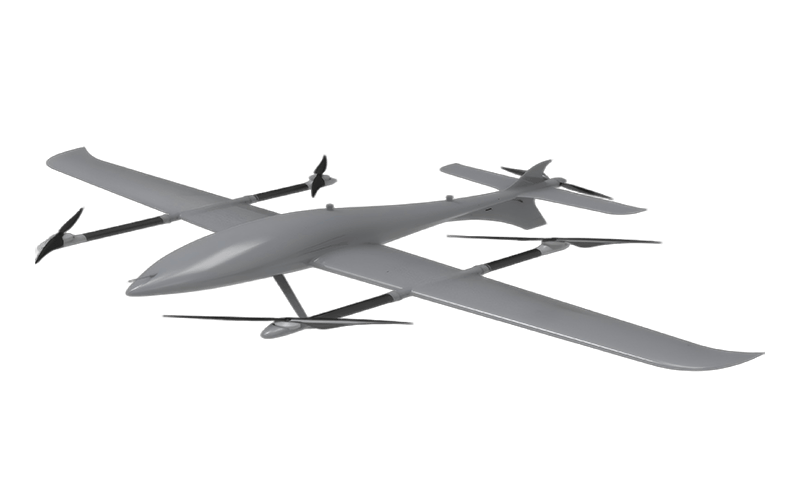
Performance varies by application. Multirotor models offer stable hovering beside blades, bridges, and industrial walls. Fixed-wing systems cover larger solar farms faster, but need more operating space. Thermal cameras can reveal hot cells, loose connections, and insulation problems. Yet readings change with wind, sunlight, surface material, and flight angle. Reports from MarketsandMarkets forecast double-digit growth for the drone inspection and monitoring market through 2029. That growth does not guarantee reliable results. Data quality still depends on trained operators and consistent inspection routes.

Tips: Compare usable flight time, not advertised endurance. Request sample thermal images and defect reports. Check whether software exports evidence in common formats. Test performance in wind, dust, and weak network conditions. A low purchase price may hide higher training and maintenance costs. Human review remains necessary, especially when images are unclear or repeated flights disagree.

How to Select the Right Inspection Drone Supplier

Selecting the right inspection drone supplier requires more than comparing flight time and price. A capable supplier should understand your inspection environment, not just sell aircraft. Ask about payload options, thermal image quality, wind resistance, obstacle sensing, and data security. Request sample reports from bridges, roofs, power lines, or industrial sites. The images should show cracks, corrosion, heat differences, and measurement details clearly.

A practical demonstration reveals more than a brochure. Test the drone near metal structures, narrow spaces, and uneven lighting. Check how quickly it starts, lands, and transfers files. Small details matter. Confirm battery cycle life, spare-part availability, repair procedures, and software updates. A reliable supplier also provides operator training, maintenance records, and clear technical documentation. Their engineers should explain limits without making unrealistic promises.

Support after delivery often separates strong suppliers from temporary sellers. Ask for response times, local service capacity, warranty conditions, and training refreshers. Speak with existing users, but examine their applications carefully. A system suitable for solar panels may perform poorly around tall towers or pipelines. Cost calculations should include batteries, sensors, insurance, data storage, and downtime. The cheapest quotation can become expensive later. One weakness in this process is relying too heavily on a polished demonstration. Real weather, tired operators, and incomplete data can expose problems that sales materials hide. Test under ordinary working conditions before signing a long-term agreement.

China Top 10 Inspection Drones Suppliers in 2026 - How to Select the Right Inspection Drone Supplier

A neutral procurement scorecard for comparing inspection drone suppliers. The percentages represent the recommended importance of each evaluation dimension for industrial inspection projects.

How to use this chart: Prioritize flight endurance, sensor quality, data accuracy, safety, and service capability. Adjust the weighting according to the inspection environment, regulatory requirements, infrastructure type, and total operating cost.

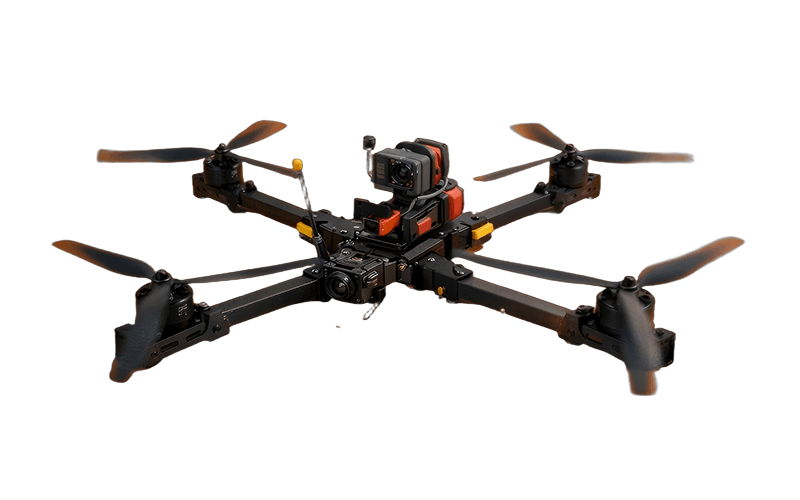
Keel Mini Quadcopter for Industrial Mapping: Insights from Drone Industry Insights 2024 & FAA Forecast 2024–44

Industrial mapping is moving toward faster, more repeatable data collection, and compact aerial systems are helping teams meet that demand. Drone Industry Insights’ 2024 market analysis identifies surveying, mapping, and inspection as major commercial applications, reflecting the need for accurate information across construction, utilities, infrastructure, and asset management. A professional-grade mini quadcopter can support these workflows with high-resolution imaging, automated flight planning, and stable operation in confined or complex environments.

The FAA’s 2024–44 forecast also indicates continued expansion of commercial small unmanned aircraft operations in the United States, driven by broader adoption across inspection and data-generation tasks. In this environment, a lightweight quadcopter offers practical advantages: simplified deployment, reduced transport requirements, and efficient collection of aerial imagery for 2D maps, 3D models, and visual condition assessments. Its compact design can help crews complete frequent site surveys while minimizing downtime and improving field safety. For organizations seeking a professional-grade aerial data solution, this type of platform can connect mission planning, image capture, and post-flight analysis into a more efficient mapping and inspection workflow.

FAQS

: Which industries need inspection drones in China during 2026?

: Demand is growing in power lines, bridges, railways, ports, mines, and construction sites. These drones can inspect towers, roofs, cables, walls, blades, and solar panels. Routine work is replacing some demonstration projects.

What features should buyers evaluate?

Review thermal imaging, camera clarity, obstacle avoidance, flight endurance, and weather stability. Reliable operation matters more than impressive specifications. Test it.

How can buyers verify real flight performance?

Request flight logs from bridges, towers, pipelines, or large roofs. Observe footage captured in wind, low light, and narrow spaces. Use your own inspection route during a live demonstration.

Are advertised flight times reliable?

Usually, working time is shorter than the advertised maximum. Wind, payload weight, temperature, and return-to-home limits reduce usable endurance. Compare completed inspection areas, not just minutes in the air.

Which drone type suits large inspection areas?

Multirotor drones hover steadily near blades, bridges, and industrial walls. Fixed-wing drones cover large solar sites faster. However, fixed-wing systems need more operating space and careful launch planning.

Can thermal cameras identify every defect?

Thermal images may reveal hot cells, loose connections, and insulation problems. Results change with sunlight, wind, surface material, and flight angle. Human review remains necessary when images conflict or appear unclear.

What after-sales support should buyers confirm?

Check spare-parts availability, repair response times, software updates, and battery-swapping procedures. Confirm operator training, calibration records, maintenance schedules, and documented test procedures. Local engineers can reduce downtime.

How should inspection data be managed?

Request reports with defect locations, images, timestamps, and exportable files. Ask how data is stored, transferred, accessed, and protected. Common export formats make later review easier.

Is a low purchase price always economical?

Not necessarily. Training, repairs, batteries, maintenance, and software work can increase total costs. A cautious pilot project may reveal hidden weaknesses before a long contract.

What makes a supplier dependable?

Dependability comes from repeatable tests, clear records, and honest limits. Ask whether engineers document corrective actions after failed flights. No evaluation is perfect. Reliability grows through evidence, not polished demonstrations.

Conclusion

China’s inspection drone market is entering a period of rapid growth in 2026, driven by demand from power infrastructure, construction, transportation, agriculture, energy, and public utility sectors. This article presents a practical overview of the market and introduces the top 10 Chinese suppliers of Inspection Drones, selected according to product reliability, flight performance, imaging quality, autonomous capabilities, safety systems, customization options, after-sales service, and overall value. It also explains the core technologies behind modern inspection platforms, including high-resolution optical and thermal cameras, obstacle avoidance, intelligent route planning, data processing, and remote fleet management.

Through an industry application and performance comparison, readers can understand how different drone solutions perform in complex environments, extended missions, and demanding data-collection tasks. The final section provides guidance on choosing the right supplier by evaluating technical specifications, operating conditions, software compatibility, training, maintenance support, delivery capacity, and long-term cooperation potential.

Charlotte

Charlotte

Charlotte is a dedicated marketing professional with a deep expertise in the UAV systems developed by UUUFLY. Her commitment to integrated innovation across hardware, algorithms, and data operations positions her as a driving force in delivering cutting-edge solutions for power, agriculture, and......
Previous Top 10 Best Crop Spraying Drones for Global Buyers